

Vacant commercial buildings present a unique set of challenges for property owners. The longer a commercial property remains unoccupied, the more costly and risky it becomes. Proper management can mitigate these issues, ensuring the building remains in good condition, compliant with regulations, and secure. Below are the essential aspects to consider when managing a vacant commercial building.
1. Insurance Considerations
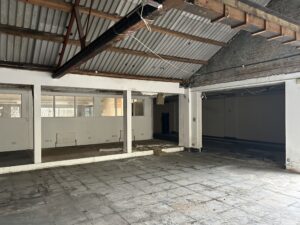 When a commercial property becomes vacant, the owner’s insurance policy may impose limitations or exclusions on vacant buildings. These clauses often apply after 30-60 days of vacancy, depending on the insurer.
Owners should immediately notify their insurance provider when a building becomes vacant to discuss coverage options. It’s crucial to ensure that the property is still covered for risks such as fire, vandalism, and weather-related damage. Insurers may offer a “vacancy endorsement” or a special policy that adjusts coverage to reflect the risks of unoccupied properties. Additionally, any commercial liability coverage should be adjusted to account for the potential hazards associated with an empty building.
Typically, insurance policies specify that unoccupied properties must meet certain conditions to remain compliant and insured. These conditions can include regular inspections, maintenance, and ensuring the property is secure against trespassing or vandalism.
Failure to adhere to these requirements can lead to invalid insurance claims. For example, requirements may include locking of windows and doors, isolating utilities, isolating and draining down water systems, removing all combustible contents and waste including junk mail and setting security and alarm systems.
2. Utilities
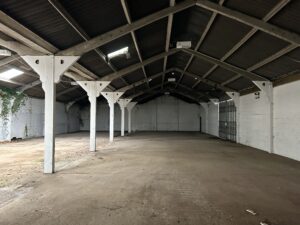 Managing utilities in a vacant building is a balancing act. On one hand, isolating utilities such as water, electricity, and gas can reduce costs and prevent potential damage (like water leaks or electrical hazards). On the other hand, some utilities may need to be maintained for safety and maintenance purposes and also to conduct viewings if the property is to be relet or sold (such as electricity for security systems or heating to prevent pipes from freezing in cold weather).
Before isolating utilities, assess the needs of the building. For example, it may be wise to maintain heating during the winter to avoid the risk of burst pipes. Water and sewage systems may also need to be drained or properly maintained to avoid any issues.
3. Business Rates
Local property taxes can be a significant financial burden for owners of vacant commercial buildings. Navigating the complexities of business rates and applying for reliefs or reductions can be challenging however, there are strategies available to mitigate this financial burden including challenging the rateable value; apply for exemptions; taking advantage of available government schemes or initiating a rates mitigation scheme.
4. Fire Safety
Vacant properties can be at higher risk for fire hazards. With no tenants or occupants present, there’s less daily oversight to identify potential fire risks, and empty buildings can become targets for arson. Regular fire safety inspections are crucial.
Ensure that smoke detectors, fire alarms, and sprinkler systems are operational, even if the building is unoccupied.
5. Maintenance and Upkeep
A vacant building still requires ongoing maintenance. Failure to carry out routine maintenance can result in costly repairs down the road, and prolonged neglect may diminish the property’s overall value.
Routine maintenance should include:
-
- Checking for leaks.
-
- Inspecting HVAC systems and ensuring they are functioning and in working order.
-
- Clearing gutters and drains to prevent water damage.
-
- Keeping the landscaping in check to prevent the property from appearing abandoned.
Even if the building is unoccupied, keeping it in good condition will create a positive impression to potential tenants or buyers and will preserve the value of the building and reduce repair costs when it is ready to be leased or sold.
6. Inspections
Regular inspections are essential for any vacant commercial property. Inspections should be undertaken frequently—monthly at a minimum—to check for signs of damage, intrusion, or disrepair. These inspections should focus on:
-
- Security vulnerabilities (e.g., broken locks, broken glazing, or damaged gates).
-
- Building integrity (e.g., damage to walls, roof etc).
-
- Potential environmental hazards (e.g., flooding, mould growth).
-
- Compliance with insurer’s requirements.
Inspections should be comprehensively documented and any issues promptly dealt with to avoid escalating problems.
7. Security
Vacant commercial buildings are prime targets for vandalism, theft, and squatting. An effective security strategy is essential to safeguard the property and minimise risks. Some measures to consider include:
-
- Installing security cameras with remote monitoring.
-
- Hiring a security company for regular patrols.
-
- Using motion-sensor lighting around the perimeter.
-
- Boarding up windows and securing all entry points.
Investing in robust security measures not only protect the property but also reassure potential future tenants or buyers that the building is safe and well-maintained.
8. Minimising the Period of Vacancy
To minimise the financial strain of keeping a building vacant, property owners should develop strategies to reduce the vacancy period. This might include:
-
- Working with a commercial property agent to market the property effectively.

- Working with a commercial property agent to market the property effectively.
-
- Offering attractive leasing terms to potential tenants.
-
- Exploring alternative uses for the property, such as temporary pop-up shops or short-term leases.
-
- Keeping the property in the best presentable condition, so it’s ready to lease as soon as the right tenant is found.
Conclusion
Managing a vacant commercial property requires a comprehensive approach that includes attention to insurance, safety, maintenance, and security. With proper planning and regular oversight, property owners can minimise risks, maintain value, and reduce the period of vacancy. Being proactive with these key considerations not only protects the property but also helps in preparing for a seamless transition when it’s time to lease, sell, or repurpose the space.
For assistance with your vacant commercial property, please contact:-
Mark Previte BSc (Hons) MRICS
M: 07818 424 214 DD: 0118 955 7087 E: m.previte@hicksbaker.co.uk